




New appHaogaku Japanese App: 83 real-life situations in Japan plus an AI speaking coach. All lessons free.Haogaku Japanese App is out. Lessons are free.See the app
皓學
Contact us

Taiwan & Japan offices · Zero agency fees

Study and work in Japan starts here

HAOGAKU / FORMA is a study-abroad and employment agency operating on both sides of the Taiwan–Japan route. From language school applications and residence-status paperwork to housing, bank accounts and part-time work after you land, someone is there at both ends. We charge no agency fee, and tuition matches each school's official published rate exactly.

Not sure which path fits? Start with a free consultation — we'll advise based on your Japanese level, budget and timeline.

Two services — pick your path

Studying and working in Japan run on entirely different rules, requirements and lead times. Decide the direction first.

Study in Japan

Language school matching and full visa support — from two-week short programs to two-year long-term study, plus progression into vocational schools and universities.

  • Short-term study: 2 weeks–3 months (visa-free)
  • Long-term study: 6 months–2 years (student visa)
  • Progression to vocational schools and universities
  • Housing, banking and part-time support after arrival

Work in Japan

Assessment and application for Specified Skilled Worker and Engineer/Specialist in Humanities visas, job matching, and résumé coaching. No placement fee for job seekers.

  • Work visa assessment and application
  • Job matching with employers in Japan
  • Japanese résumé and career-history coaching
  • Overseas hiring support for employers

Why HAOGAKU / FORMA

No agency fee

Tuition matches each school's officially published figure. No agency fee, no markup, no hidden charges — every amount is itemised in writing before we file.

We file in Taiwan, we meet you in Japan

Before departure, our Taiwan consultants handle school selection and filing. After you arrive, our partners in Japan go with you to open a bank account, get a phone and find housing.

The hard paperwork, handled

Statements of purpose, proof of funding, Japanese career-history documents — the parts reviewers weigh most heavily and applicants most often get wrong, reviewed line by line.

At a glance

2 weeks–2 years
Study lengths we arrange
Jan / Apr / Jul / Oct
Language school intakes
Chinese · Japanese · English
Languages we work in
Taiwan · Japan
Where we operate

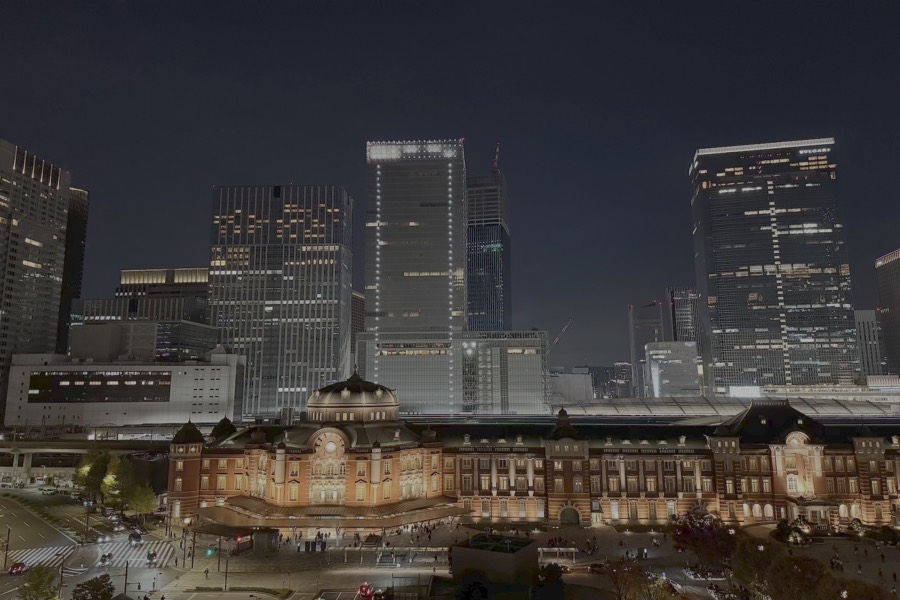
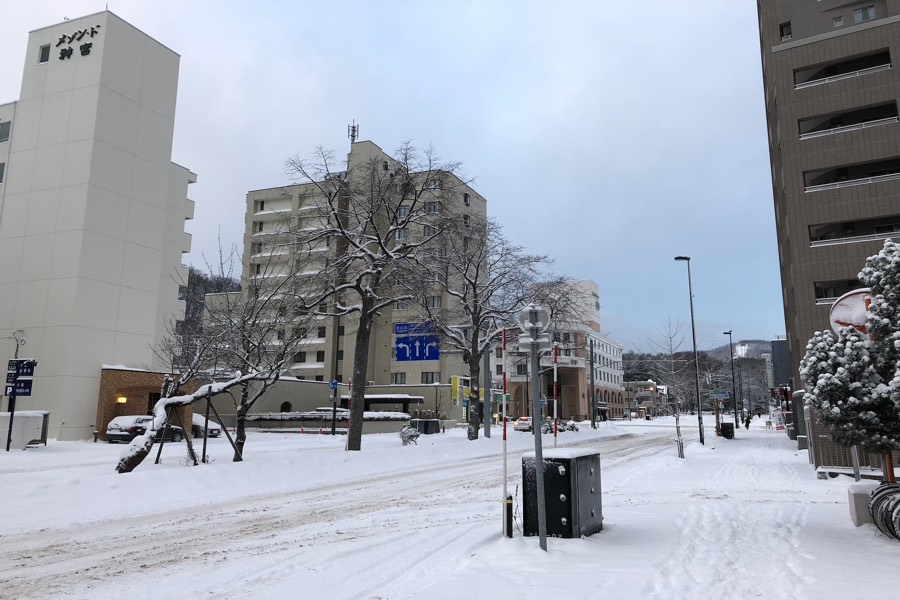
Which city will you call home?

Pace of life, living costs and part-time opportunities differ from city to city. We help you pick the one that fits your budget and goals.

Four steps, consultation to arrival

  1. 1

    Free consultation

    Tell us your goal, Japanese level, budget and when you can leave.

  2. 2

    Choose a school or role

    We shortlist options that fit and cost out your full first year.

  3. 3

    Documents and visa

    Application documents, residence status, interview prep — checked item by item.

  4. 4

    Support on the ground

    Housing, bank account, phone, part-time work and follow-up after you arrive.

Latest guides

Costs, visas, city comparisons and employment rules — what to know before you go.

Questions we get asked most

Neither HAOGAKU's study-abroad service nor FORMA's job matching charges individuals an agency or placement fee. Tuition matches each school's officially published figure with no markup. What you budget for is school costs (tuition, enrolment fee, materials) and living costs (housing, living expenses, flights, insurance).

For short-term study (2 weeks–3 months, visa-free) you can start from zero. Long-term study (6 months or more, student visa) normally requires JLPT N5 or above, or proof of roughly 150–200 hours of Japanese study. Self-study hours are not accepted — the certificate must come from a school or language institution.

For long-term study, 8–10 months before your intended intake is the safe starting point; six months is the practical minimum. The Certificate of Eligibility (COE) review alone takes one to three months, and schools file for all applicants together before a fixed deadline. Short-term study needs no COE and one to two months is enough.

Yes. Holders of a "Student" residence status must separately obtain Permission to Engage in Activity Other Than That Permitted, after which you may work up to 28 hours per week (relaxed to 8 hours a day and 40 hours a week during the school's official holidays). Multiple jobs count toward the same total, and adult-entertainment-related industries are prohibited outright.

Yes. The Specified Skilled Worker status does not require a degree; the requirements are a Japanese language test (JLPT N4 or JFT-Basic) and the skills assessment for your occupation. Note that Specified Skilled Worker (i) is capped at five years in total and does not permit dependants, so plan around whether you can progress to (ii).

A language school student visa cannot be converted directly into a work visa. There are two common routes: progress to a vocational school or university, earn a qualification, then apply for Engineer/Specialist in Humanities/International Services; or pass the required tests and move onto Specified Skilled Worker. Because HAOGAKU and FORMA run both sides, we can plan the whole path from the start.

Talk to us first, decide later

Tell us your goal and where you stand, and we'll hand you a workable preparation timeline. No commitment needed.

Free consultation